
PEP (Post-Exposure Prophylaxis)

Updated: Aug 2
Emergency HIV Prevention - What You Should Know Before Taking It

PEP (Post-Exposure Prophylaxis) is an emergency HIV prevention medication that must be started within 72 hours after a potential exposure. It involves specific instructions on how to take the medication, When to stop, and its effectiveness. Many people may still be unfamiliar with PEP.
Before starting this medication, patients must undergo a detailed medical history assessment and examination by a doctor, along with proper guidance on how to take it correctly. Let's review where to get PEP, how to take it, its side effects, and whether it is safe.
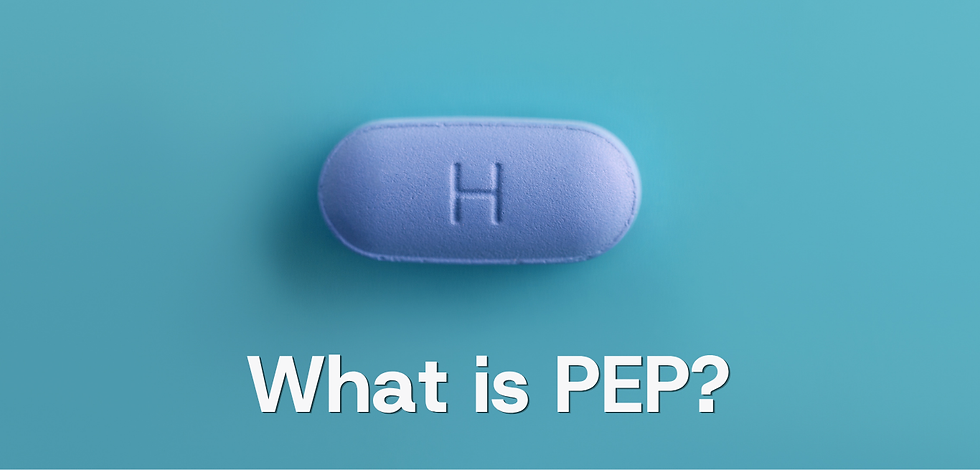
PEP stands for Post-Exposure Prophylaxis, which is an emergency medication used to prevent HIV infection after possible exposure.
It must be started within 72 hours after exposure and taken continuously for 28-30 days.
Exposure to HIV is considered a medical emergency, as the virus can begin replicating rapidly within 24-36 hours. Therefore, treatment should begin as soon as possible, ideally immediately, and no later than 72 hours after exposure.
Recommended PEP Regimen
A commonly recommended regimen includes a combination of three drugs in one pill:

Tenofovir alafenamide (TAF) 25mg.
Emtricitabine (FTC) 200mg.
Dolutegravir (DTG) 50mg.
Other regimens may also be prescribed depending on individual patient factors, as determined by a doctor.
How Effective is PEP?
PEP has been shown to reduce the risk of HIV infection by at least 80%. However, its effectiveness depends on several factors, such as:
How quickly treatment is started (earlier is better)
The type and duration of exposure
The viral load of the source
PEP should only be used in emergency situations.
If you are at ongoing risk, PEP (pre-exposure prophylaxis) is recommended, as it provides more consistent protection.
Body Fluids That Can Transmit HIV
Fluids that can transmit HIV include:
Blood
Semen
Vaginal fluid
Amniotic fluid
Pus
Transmission can occur through sexual contract or contact with broken skin.
Fluid that do NOT transmit HIV (unless mixed with blood) include:
Saliva, mucus, tears, sweat
Sputum, vomit, feces, urine
Side Effect of PEP
PEP is generally safe when taken correctly under medical supervision. Modern regimens have fewer side effect than older ones.
Common side effects include:

Nausea

Fatigue
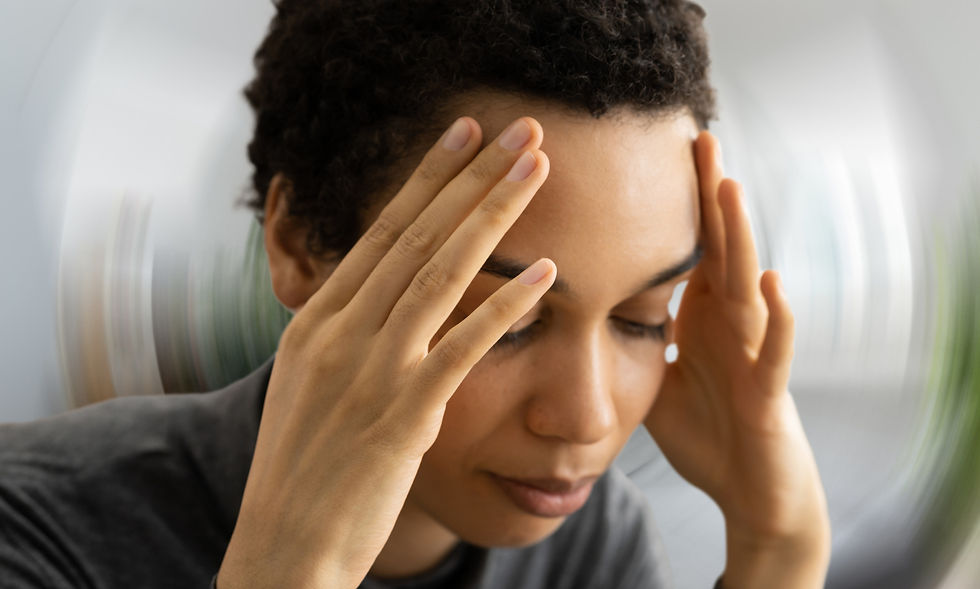
Dizziness
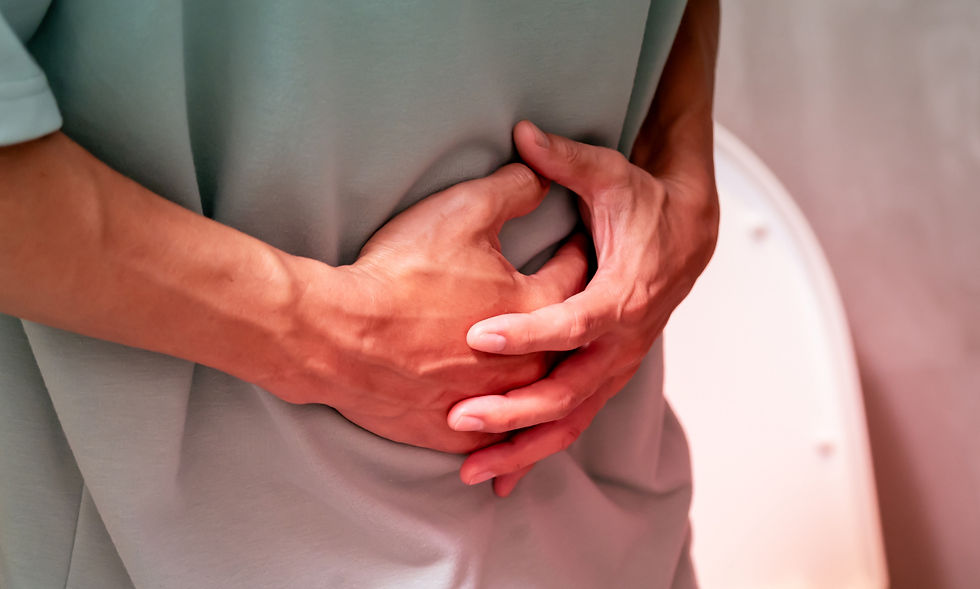
Diarrhea
These symptoms are usually mild and temporary, often improving over time. If severe symptoms occur, consult your doctor.
What to do before starting PEP?
Before starting PEP, patients must:

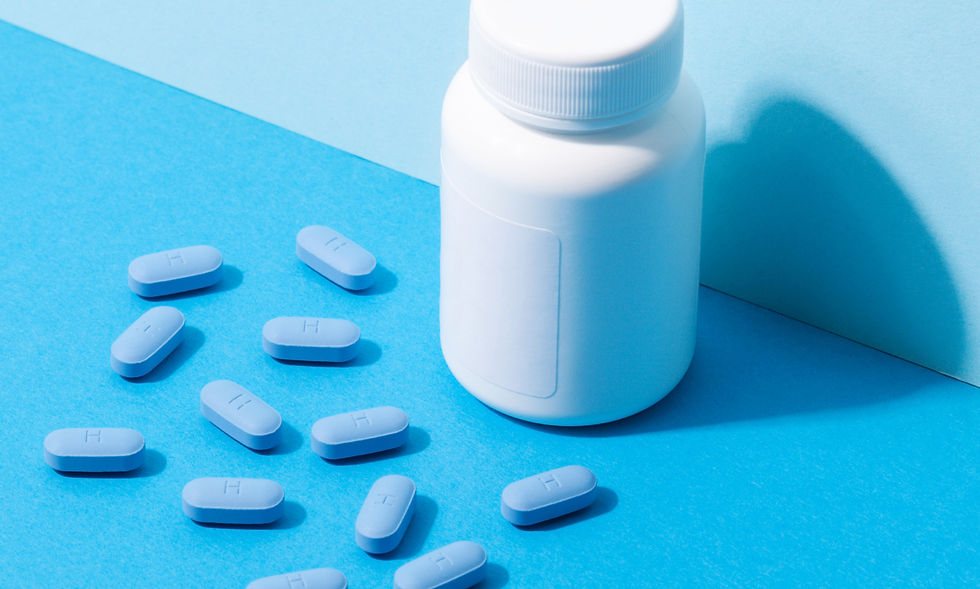
How to take PEP?
Start as soon as possible
after exposure (ideally
within 1-2 hours, no later
than 72 hours)
Take 1 pill daily at the
same time
Continue for 28-30 days
(4 weeks)
Can be taken with or
without food
What to do while taking PEP?
Avoid donating blood
Always use condoms during sexual activity
If another risk exposure occurs, continue medication and inform your doctor
Monitor for early HIV symptoms such as:
Mild fever
Body aches
Headache
Rash
Fatigue or weight loss
Early infection may not always be detectable, so medical follow-up is essential
After Completing PEP
You should follow up with your doctor for HIV testing:
At 1 month
At 3 months
Regular follow-up is important to confirm that infection has not occurred. If ongoing risk is identified, your doctor may recommend switching to PrEP.
Frequently Asked Questions (FAQs)
Can pregnant or breastfeeding women take PEP?
Yes. PEP can be used safely during pregnancy under medical supervision and dose not harm the baby.
Can I take PEP after 72 hours?
It may still be considered in some cases, but you must consult a doctor for proper evaluation.
Is it dangerous to take PEP frequently?
It is not dangerous, but frequent use indicates high-risk behavior. In such cases, PrEP is recommended instead.
Can I stop PEP before 30 days?
Yes, if you are certain that your partner is HIV-negative and there is no further risk.
What age groups can use PEP?
PEP can be used at all ages. Adolescents aged 15-18 years weighing over 35 kg can receive PEP. Younger or lower-weight individuals should consult a specialist.
Where can I get PEP?
PEP must be prescribed by a licensed physician. It is available at hospital emergency departments and clinics that provide post-exposure services.
Can I have sex while taking PEP?
Yes, but you must use condoms every time and take the medication consistently. If possible, abstaining sex is recommended, as PEP does not guarantee 100% protection.


Comments